


- Home
- About Ridley
- Athletics
- Admissions
- Student Experience
- Boarding
- Alumni & Donors
- Camps & Summer Programmes
- Rentals & Memberships
- Login

P.O. Box 3013, 2 Ridley Road St. Catharines, Ontario L2R 7C3 Canada - +1 905-684-1889
Alumni Feature
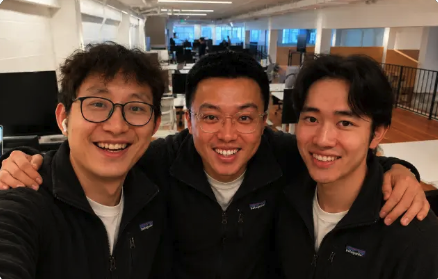
When Henry Song '21 first stepped onto a basketball court at Ridley, he wasn't a natural. He was five-foot-nine, with a short wingspan, and behind his teammates in skill. Watching the prep team dunk with ease, he turned to a friend and said something that sounded like a joke: "I'm going to make that team.".jpeg)
He was joking, but deadly serious at the same time. Henry started waking up at 6:30a.m. every morning to train until he worked up the nerve to ask Coaches Tarry Upshaw and Michael Bett if he could practice with the prep squad. They said yes. By the time he reached the U16 team, he'd become one of its stronger players.
It's a small story, but it captures how Henry has operated ever since: spot the gap, ask for the opportunity to close it, and put in the reps.
Henry went to UC Berkeley to study computer science, but Silicon Valley often has other plans, and before long, he was determined to enter the world of tech start-ups. By junior year, his first venture, Skylow, an interactive video-learning platform featuring an AI instructor that could explain concepts and answer questions in real time, had secured funding, and he dropped out of school to work on it full-time.
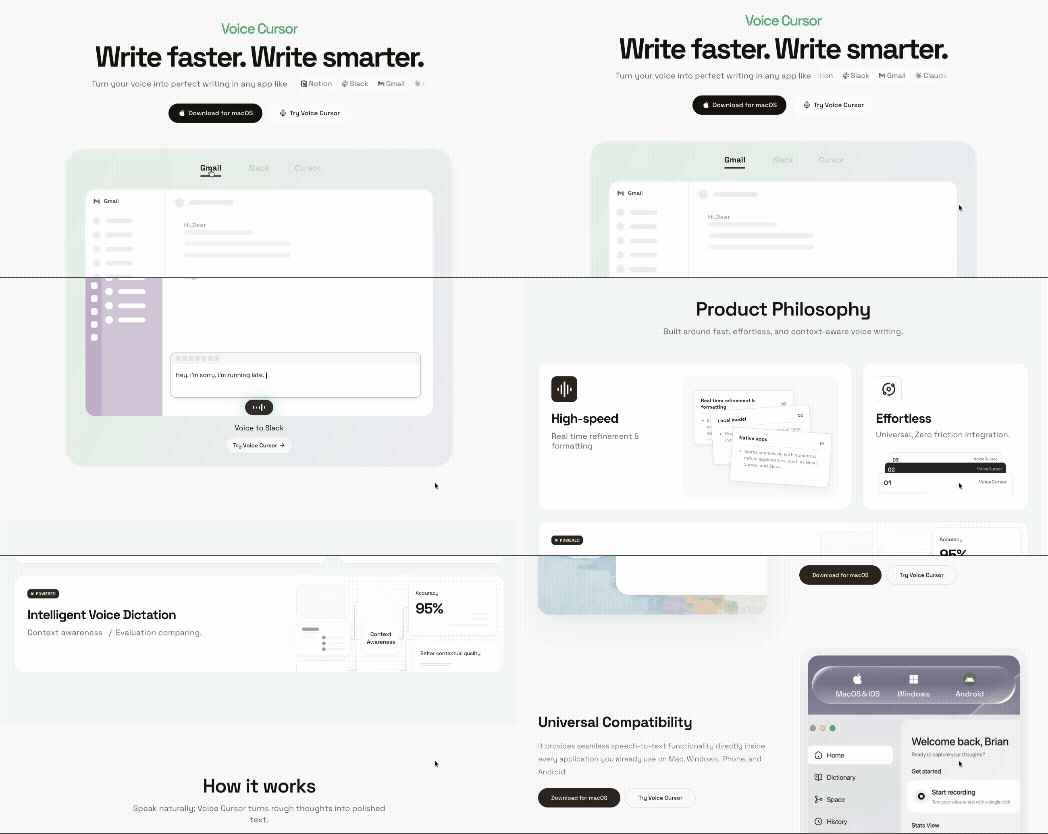
Henry's team has since moved on to Voice Cursor, an AI voice dictation tool that turns speech into polished, context-aware writing. He dictates thousands of words with it himself every day — whether it’s writing code or responding to emails. But dictation, he says, is just the first step: "Our broader mission is to make voice the most natural way for humans to interact with machines," eventually controlling laptops, phones, cars and glasses entirely by speaking. Voice Cursor recently raised $8 million in seed funding to keep developing the app.
Ask Henry what's hardest about founding companies, and money isn't it. "Honestly, the biggest challenge is usually myself," he says. Nobody tells you what to do, and every decision is yours. Most of the time, he doesn’t even feel qualified, but he believes you have to put yourself in those tough situations to learn what to do.
Henry's advice to aspiring founders is simple: just get started — you can't learn entrepreneurship from the sidelines, and most first startups don't succeed. And optimize for learning, not for being right; assume your first idea is probably wrong; stay stubborn about the mission but flexible about the path; and look for evidence that your approach isn't working rather than confirming that it is.
 Although COVID interrupted some of his final moments at Ridley, Henry is still a Ridleian at heart and incredibly proud of his growth while on campus. He credits Coaches Upshaw and Bett for pushing him on the court, as well as Mr. Postma, whose support in the classroom helped guide him to where he is today.
It’s an exciting time to be in Silicon Valley with AI startups booming, and Henry can’t wait to see what comes next. He doesn’t get on the basketball court as much as he would like to anymore, but that’s just one other thing in his busy schedule that he’s hoping to change.
Want to try what Henry's building? Voice Cursor is available now.