


- Home
- About Ridley
- Athletics
- Admissions
- Student Experience
- Boarding
- Alumni & Donors
- Camps & Summer Programmes
- Rentals & Memberships
- Login

P.O. Box 3013, 2 Ridley Road St. Catharines, Ontario L2R 7C3 Canada - +1 905-684-1889
Choosing a boarding school in Canada is a major decision for international families. For parents in South Korea, Japan and around the world, the right school should offer more than strong academics. It should provide structure, safety, mentorship, wellbeing support, global friendships and a clear pathway toward university.
At Ridley College, boarding is designed to help students feel known, supported and prepared for the future. Located on a 90-acre campus in the Niagara Region of Ontario, Ridley is a Canadian boarding and day school where students from more than 60 countries learn and live together in a community rooted in Canadian values.
For families comparing the best boarding schools in Canada, it is important to understand what boarding school means, what daily life looks like and how the school will support your child academically, socially, emotionally and personally.
A boarding school is a school where students live on campus during the academic year. Students attend classes, participate in activities, share meals, study, rest and build friendships within a structured school community.
For international students, boarding school can provide a supportive way to study abroad because academics, housing, meals, activities, wellbeing support and supervision are all connected. Instead of navigating a new country alone, students become part of a school environment designed to help them grow with guidance from trusted adults.
At Ridley College, boarding life is built around safety, nurturing relationships, mentorship, independence and community.

Families choose a boarding school in Canada for many reasons. Some are looking for an English-language learning environment. Others want a Canadian education pathway before university. Many want their child to become more independent while still being supported by caring adults.
For families from South Korea and Japan, boarding school can be especially meaningful because it helps students adjust to a new academic and cultural environment before university. Students have time to build confidence in English, develop friendships, experience Canadian school life and learn how to manage responsibilities away from home.
A strong boarding school should help students grow in four important ways:
| What Parents Look For | Why It Matters |
| Academic preparation | Students need strong study habits, communication skills and university readiness. |
| Safety and supervision | Parents want to know their child is supported while living away from home. |
| Wellbeing support | Students need care as they adjust to a new country, culture and routine. |
| Global community | International students benefit from friendships and perspectives from around the world. |
| Independence | Boarding helps students build responsibility in a structured environment. |
This is why the decision should go beyond rankings or location alone. The best boarding school for your child is the one that fits their academic goals, personality, age, support needs and long-term pathway.
Ridley College offers a boarding experience designed to feel like a “home away from home.” Students live and learn in a diverse community where relationships, mentorship and wellbeing are central to daily life.
Every Ridley student, whether day or boarding, belongs to one of the ten Houses. These Houses are more than residences. They are communities where students build friendships, develop character, participate in traditions and receive guidance from adults who know them well.
Safety, Mentorship and Nurturing Relationships
When parents send a child abroad, safety is often the first concern. A strong boarding school should have clear systems of care, supervision, routines and communication.
At Ridley, boarding is defined by safety, nurturing relationships and strong mentorship. Students develop relationships with their Head of House and the boarding team, fostering a sense of stability and trust while they live away from home.
This matters because students need more than a place to sleep. They need adults who notice how they are doing, encourage them to participate, help them navigate challenges and support their development.
For a student arriving from South Korea or Japan, these relationships can make the transition easier. The first few months in a new country can include language adjustment, homesickness, cultural differences, academic expectations and social change. A strong boarding environment helps students feel supported through that process.
Ridley offers Junior Boarding for students in Grades 6–8. This is an important option for families considering an earlier transition to a Canadian boarding school.
Junior boarding can help younger students build independence gradually. Students learn how to manage routines, keep track of responsibilities, live with peers, participate in school life and seek support when they need it. At the same time, they are still guided by adults who understand the needs of students in these formative years.
For older students, boarding school can support the transition into greater independence and university readiness. Students in Grades 9–12/PG are preparing for more advanced academics, leadership opportunities, postsecondary planning and life beyond high school.
At Ridley, boarding gives students the opportunity to live in a community where academic, co-curricular and personal growth are connected. Students learn how to manage their time, balance schoolwork with activities, build friendships, participate in House life, and take responsibility for their choices.
This type of environment can be especially useful before university. Students practise independence while still having access to guidance, routine and support. By the time they graduate, they have already experienced many of the responsibilities that come with living away from home.
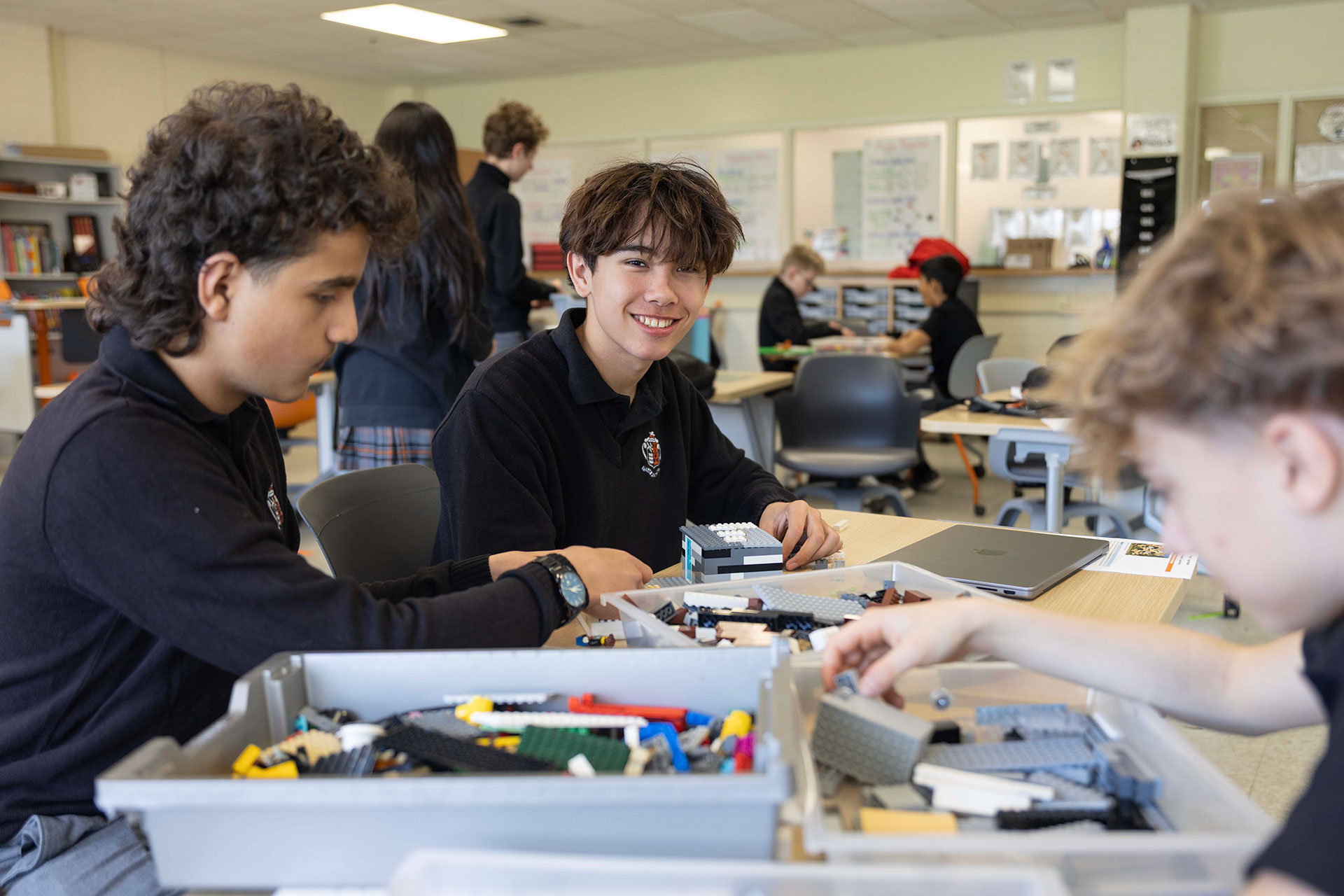
One of the biggest advantages of boarding at Ridley is the global community. Students live, learn and play with classmates from Canada and around the world.
For international students, this creates daily opportunities to practise English, understand different perspectives and build friendships across cultures. It also helps students feel less alone. When many students are adjusting to life away from home, they can relate to one another’s experiences.
For families from South Korea and Japan, this global environment can help students become more confident communicators. They learn how to share their ideas, listen to others, participate in group settings and build independence in a multicultural community.
This is one of the reasons families searching for boarding schools in Toronto, Ontario, or Canada may also consider Ridley. While Ridley is located in the Niagara Region rather than Toronto, it offers the global boarding community and Canadian education pathway that many international families are looking for.
A strong boarding school should support the whole student, not just academic performance. This is especially important for international students, who may be adjusting to a new language, time zone, climate, food, routine and social environment.
At Ridley, wellbeing is woven into the student experience. Support includes boarding teams, advisors, counsellors, health professionals, teachers, coaches and other adults who help students feel known and cared for.
Ridley’s Health, Safety and Wellbeing resources include a purpose-built Health and Wellness Centre, health professionals, counselling support and campus safety measures. Ridley also uses a Circle of Care approach, supporting students as individuals with unique needs.

Many families considering boarding school in Canada are also thinking ahead to university. They want their child to have strong academic preparation, international exposure and the confidence to succeed in a postsecondary environment.
Ridley is one of Canada’s IB Continuum boarding schools, offering a connected academic pathway that includes the International Baccalaureate framework and the Ontario curriculum. Students in Grades 11 and 12 complete the Ontario Secondary School Diploma and may choose to pursue the IB Diploma Programme.
For boarding students, academic growth happens both inside and outside the classroom. Students learn how to manage deadlines, study independently, ask for help, participate in activities and balance responsibilities. These are important habits for university success.
What Parents Should Ask Before Applying to a Boarding School
Before applying to a boarding school in Canada, international families should ask questions that go beyond academics and tuition.
Here are some helpful questions to consider:
| Question | Why It Matters |
| What grades are eligible for boarding? | Boarding options can vary by age and grade. |
| How are students supervised in the evenings and on weekends? | Families need to understand daily care and routines. |
| Who supports students in each residence or House? | Strong adult relationships help students feel safe and known. |
| What health and wellbeing resources are available? | International students may need support adjusting to a new environment. |
| How does the school help students build friendships? | A sense of belonging is essential to a positive boarding experience. |
| What academic support is available? | Students may need help adapting to new expectations. |
| How does the school communicate with parents? | International families need clear updates and communication channels. |
| What weekend activities are available? | Boarding students need a meaningful community life outside the classroom. |
| What is included in tuition? | Families should understand what is included and what may cost extra. |
| How does the admissions process work for international students? | Families need a clear timeline for applying, documents and next steps. |
These questions can help families compare schools more thoughtfully and identify the environment where their child is most likely to thrive.
International families should begin the admissions process early. Applying to a boarding school in Canada can involve school research, admissions conversations, application forms, school records, interviews or assessments, tuition planning, travel planning and immigration requirements.
Ridley’s Admissions team supports families as they explore the school and move through the application process. Families can begin by exploring Ridley, booking a campus tour, reviewing tuition and fees or starting an application.
International students may also need a study permit to study in Canada, depending on their situation and the length of their studies. Families should always review current Government of Canada requirements and confirm the latest process before making travel or enrolment plans.
Boarding school can be a strong fit for students who are ready to grow academically, socially and personally in a structured community. It can help students build independence, confidence, responsibility and global awareness before university.
However, every child is different. Families should consider the student’s maturity, comfort with being away from home, academic goals, language confidence, personality and support needs.
A good boarding school should make the transition feel manageable. It should offer structure without feeling impersonal, challenge without overwhelming the student and independence without leaving them unsupported.
At Ridley, boarding is designed to help students feel part of a community where they can belong, participate and grow.

What is the meaning of boarding school?
The meaning of boarding school is a school where students live on campus during the academic year. Students attend classes, participate in activities, eat meals, study and build friendships within the school community.
Is boarding school a good option for international students?
Boarding school can be a strong option for international students because it provides structure, supervision, community and support while students live away from home. It can help students adjust to a new country while being surrounded by classmates, teachers and boarding staff.
What grades does Ridley offer boarding for?
Ridley offers girls’ and boys’ Junior Boarding for Grades 6–8 and senior boarding for Grades 9–12/PG.
Is Ridley located in Toronto?
No. Ridley College is located in St. Catharines, Ontario, in the Niagara Region. Families searching for boarding schools in Toronto may still consider Ridley because it offers a Canadian boarding school experience in Ontario, with a global student community and a 90-acre campus and is only an hour’s drive from the Greater Toronto Area.
What should international families look for in the best boarding schools in Canada?
International families should look for strong academics, student safety, wellbeing support, university preparation, a welcoming community, clear admissions guidance and a boarding environment where students are known and supported.
How does boarding help students prepare for university?
Boarding helps students practise independence, time management, responsibility, communication and self-advocacy. These skills can help students feel more prepared for university life.
Does Ridley support student wellbeing?
Yes. Ridley supports student wellbeing through boarding life, student support teams, counselling, health services, campus safety and a Circle of Care approach designed to help students feel known and supported.
Can families visit Ridley before applying?
Yes. Families can explore Ridley through admissions conversations, campus tours, admissions events and virtual resources. Families should connect with Ridley Admissions to choose the best option for their location and timeline.
Do international students need a study permit for boarding school in Canada?
Many international students need a study permit to study in Canada. Families should check the latest Government of Canada requirements and confirm what applies to their child before applying or travelling.
Ridley College offers a boarding and day school experience where students are supported by caring adults, welcomed into a global community and encouraged to grow with confidence.