


- Home
- About Ridley
- Athletics
- Admissions
- Student Experience
- Boarding
- Alumni & Donors
- Camps & Summer Programmes
- Rentals & Memberships
- Login

P.O. Box 3013, 2 Ridley Road St. Catharines, Ontario L2R 7C3 Canada - +1 905-684-1889
Alumni Feature
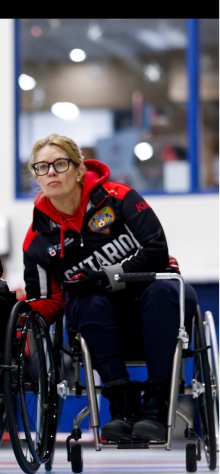
Jill Hopkins ’92 did not set out to become a competitive athlete. Her introduction to wheelchair curling began with a simple invitation to a “try it” day at a friend’s club, an opportunity to make winter, often difficult to navigate in a wheelchair, a little more manageable. She has lived with paraplegia since a 1995 accident.
“I thought, honestly, anything that might make winter more tolerable is worth trying. I’m in,” she says.
It was an unassuming start. She had little experience with the sport and even less expectation that it would become anything more than a recreational outlet. Within weeks, she was on the ice with a makeshift team of newcomers, learning in real time and losing convincingly in her first tournament.
What she found in those early days went beyond competition.
The culture of curling, defined by generosity, humility and camaraderie, stood out immediately. Teammates and opponents offered guidance, encouragement and the space to learn and grow. That spirit would become the foundation for everything that followed.
By the end of that same tournament, Jill’s trajectory had already begun to shift. Paralympic and National Wheelchair Curling coach Mick Lizmore approached her with an unexpected question: did she see herself pursuing the sport at a higher level or keeping it recreational?
“I thought he had the wrong person,” she recalls.
He did not. What the coaching staff saw was not polish but potential: power, consistency and unmistakable team spirit.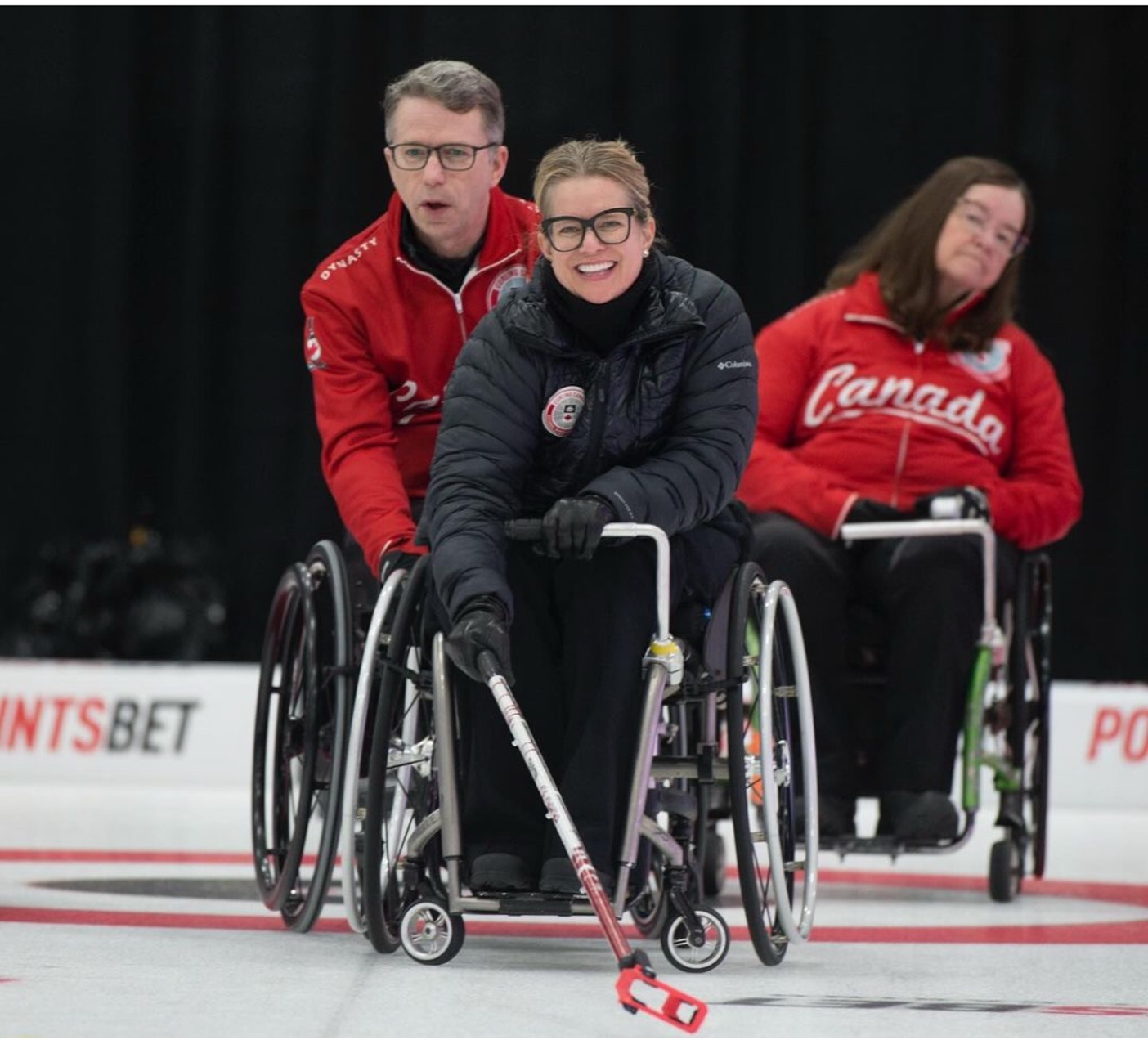
From there, her rise was swift. She was invited to join the National Wheelchair Curling Program and began training alongside elite coaches and athletes, immersing herself in a sport she had only just discovered. The learning curve was steep, matched by a growing sense of purpose and possibility. Only a few years into her journey, she now finds herself on a path that could lead to the Paralympic stage.
Curling at a high level demands precision, resilience and composure under pressure. With only two shots per end and little margin for error, the challenge is immediate. For Jill, it became as much mental as physical.
“I’d go out there thinking ‘don’t mess up’ instead of focusing on the process,” she says. “I worried about disappointing my team.”
Through mental performance training, she began to shift that mindset. Rather than suppressing her emotions, she learned to understand and use them.
“I’m a very emotional person,” she says. “I used to think that was something I needed to change. Now I understand it is part of who I am, and there are real strengths in that.”
That shift extends beyond the ice. The self-awareness and emotional intelligence she once saw as obstacles have become defining strengths in her professional and personal life. She credits much of that foundation to her time at Ridley.
“The leadership opportunities and confidence I built at Ridley gave me the courage to say yes,” she says. “Even something as simple as trying a new sport for the first time takes belief in yourself.”
That willingness has opened doors she never anticipated.
While she was not selected to compete at the most recent Paralympic Games, a remarkable milestone after just three years in the sport, she remained closely connected to the team in a different role. As a colour commentator for CBC, she brought technical insight and genuine emotional connection to audiences across the country. Calling games from Toronto in the early hours, she found herself fully immersed.
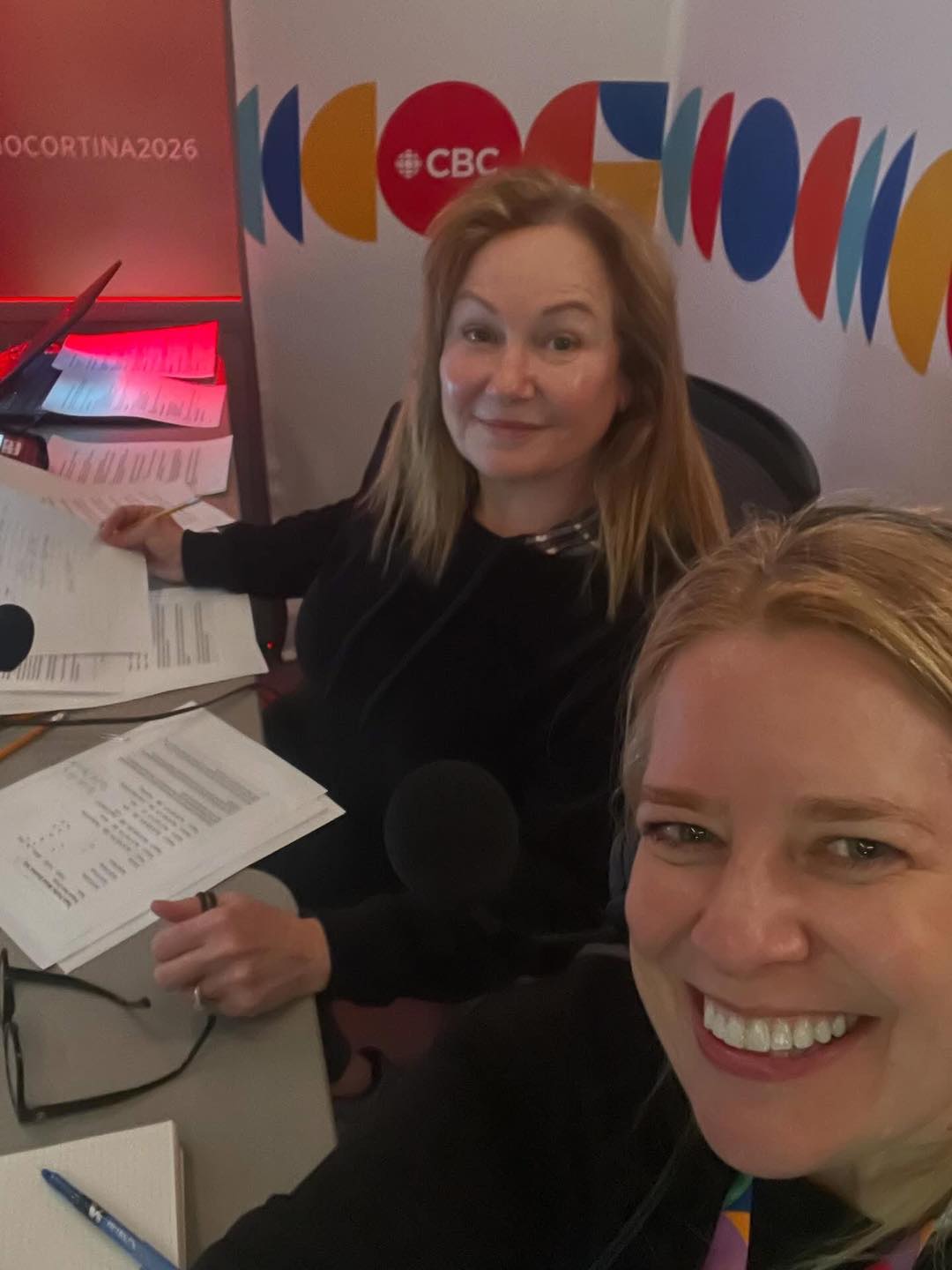 “I would jump out of bed at 1 a.m., excited,” she says. “I was completely invested, emotional, proud and deeply connected to the team and what they were accomplishing.”
Today, Jill continues to train within the National Program, balancing ambition with perspective and a clear sense that her journey is still unfolding. Most recently, she represented Ontario at the National Wheelchair Curling Championships in Boucherville, Quebec. Her team finished 4–1 and advanced to the playoffs, another meaningful step in what remains a new pursuit. Whether on the ice, in the broadcast booth or in everyday life, this is no longer something she simply tries. It is a purpose and a path.
With her sights set on continued growth and possibly the Paralympic stage in 2030, Jill is embracing every part of the journey. She has also found ways to give back to the community that welcomed her. She serves on the Board of Directors of the Sandra Schmirler Foundation, which raises funds for life-saving equipment for premature and critically ill babies across Canada.
What began as a simple attempt to make winter more manageable has become something far more meaningful. It is a passion. A dream worth following. And it is changing her life.